Home
Treatments
Industries
About BMS & PC
Quality and Approvals
Contact Us
 
Component Reclamation


Abrasive Blasting
View Gallery

Water Blasting ready for abrasive blasting


We are able to carry out this process to meet the cleanliness requirements of internationally recognised standards using a wide range of blast media.

Components are cleaned using high pressure water to remove surface debris prior to abrasive blasting.

Abrasive blast mediaThe Abrasive Blasting process can be used as a surface preparation, to remove corrosion deposits, to remove previously applied coatings and as a finishing process. We offer a wide range of blast media:

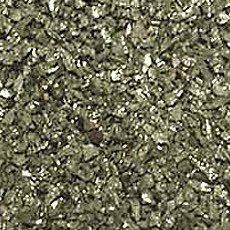
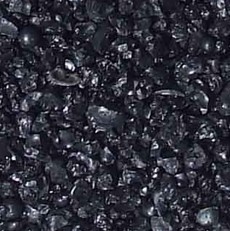
Chilled Angle Iron Grit Blasting Media
Used for surface preparation of ferrous substrates providing a clean profiled surface for coating application. Suitable for the removal of heavy corrosion deposits and the removal of previously applied coatings.


Chilled Angle Iron

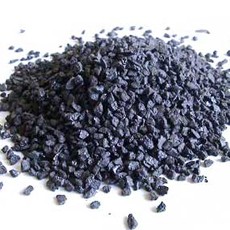
Aluminium Oxide Grit Blasting Media
Used for the surface preparation of non-ferrous substrates to provide a clean profiled surface for coating application. Suitable for the preparation of thin gauge ferrous and non-ferrous substrates used at low pressure to avoid distortion. This media is often used to provide an aesthetic finish for architectural purposes and when coated with clear lacquer its gives an appearance similar to a metallic paint finish.


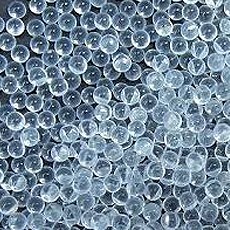
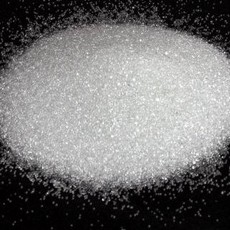
Glass Bead Blasting Media
This media is used to provide a uniform smooth satin finish and it's primarily used on non-ferrous substrates. Common applications are as a suitable finish for use in the nuclear, medical and food industries were items have to be regularly cleaned or decontaminated. Glass bead can also be used to provide an aesthetic finish on building projects, objects of art and to reduce glare and shine where it would be problematic on items that are placed in prominent situations i.e. close to airfields or motorways.
Glass Bead Blasting Media

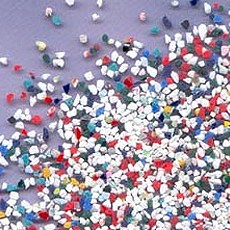
Plastic Grit Blasting Media
This media is primarily used for the removal of existing paint systems. It is used extensively to depaint aircraft and military vehicles to allow for metallurgic inspection of the underlying substrate. This media is used when a surface profile is not required and where the use of steel grit or aluminium oxide is not permitted. The pressure at which the media is applied can be adjusted to control the removal of the existing paint system allowing each layer to be removed one at a time.
Plastic Grit Blasting Media

Glass Grit Blasting Media
Glass grit will achieve a less reflective surface than that achieved using glass bead and offers a slight texture.
Glass Grit Blasting Media

Expendable Abrasive Blasting Media
This media is used on site as an economical solution for surface preparation and cleaning of ferrous and non ferrous substrates where recycling and reclaiming of the abrasive media is impracticable.
xpendable Abrasive Blasting Media

Gallery
Mild Steel fabrications abrasive blasted to SA2.5 using Chilled Angular iron grit in preparation for the application of protective coatings.
Mild Steel pipe sections abrasive blasted to SA2.5 using chilled angular iron grit in preparation for the application of Limpetite Rubber Lining to resist corrosion and erosion caused by sea water that will flow through the pipes which form part of a cooling water system in a power station
Cast iron decorative plinth abrasive blasted using plastic grit to remove existing paint system. The plastic grit allows the use of low pressure ensure that the detail of the casting remains intact through out the abrasive blasting process.
Sonar array baffle plates abrasive blasted in our factory in our factory in Bristol using aluminium oxide grit to obtain a surface profile of 75 to 100 microns cleaned to SA3. Prior to the application of Limpetite rubber coating to provide corrosion protection and electrical insulation
Stainless Steel Pipe sections abrasive blasted using non metallic aluminium oxide grit prior to the application of 150 microns of aluminium metal spray.

Cast iron plates circa 1880.

A Initial blast carried out to remove existing paint system
B After washing with soap solution and fresh water to remove salts
C Second Abrasive blast using non metallic abrasive to achieve SA3 prior to the application of 100 microns zinc metal spray and a 4 coat epoxy paint system.

Top